
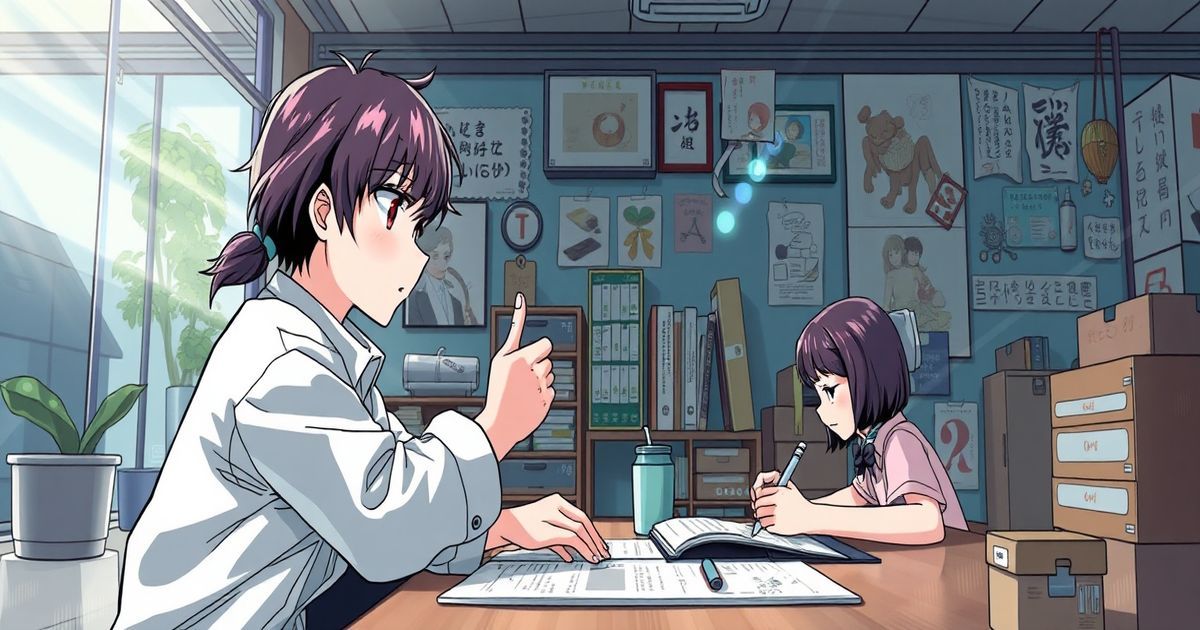
Manga has exploded in popularity worldwide, captivating readers with its unique art style, compelling storytelling, and diverse genres. If you’re staring at a colorful volume and wondering where to begin, you’re not alone. This guide is designed to teach me first manga enthusiasts everything they need to know to start reading confidently. Whether you’re drawn to action-packed adventures, heartwarming romances, or spine-tingling horror, understanding the fundamentals will transform your experience from confusing to captivating.
What Exactly Is Manga?
Before diving into reading techniques, let’s clarify what manga actually is. Manga (漫画) is the Japanese word for comics or graphic novels, encompassing a vast array of illustrated stories created primarily in Japan. Unlike Western comics that typically read left-to-right, manga follows a distinct visual language that can seem foreign at first glance. According to Wikipedia, manga represents a $4.5 billion industry that has evolved over centuries, influencing global pop culture in unprecedented ways.
Manga differs from anime in that it’s the printed or digital source material, while anime refers to animated adaptations. The medium spans all age groups and genres, from children’s stories (kodomo) to mature adult narratives (seinen and josei). Understanding this scope helps new readers appreciate why teach me first manga resources are so valuable—they bridge the cultural and artistic gap.
Teach Me First Manga: Essential Reading Tips for Beginners
Ready to crack open your first volume? These proven strategies will help you navigate the unique world of manga like a pro.
Mastering the Right-to-Left Reading Style
The most fundamental concept to grasp is that traditional manga reads right-to-left, opposite of English books. Here’s how to adapt:
- Start from what appears to be the back cover – this is actually the front
- Follow panels in a “Z” pattern from right to left, top to bottom
- Character dialogue flows right-to-left within speech bubbles
- Use your finger as a guide until your eyes adjust naturally
This reading style preserves the original Japanese layout and artistic intent. While some publishers offer “flipped” versions reading left-to-right, purists recommend learning the authentic format to fully appreciate the storytelling flow.
Decoding Visual Language
Manga artists communicate emotions and action through standardized visual cues. Learning these symbols is crucial when you teach me first manga reading skills:
- Speed lines: Indicate movement and action intensity
- Sweat drops: Show stress, embarrassment, or exertion
- Symbolic backgrounds: Hearts for love, spirals for dizziness, jagged lines for anger
- Panel size variations: Larger panels emphasize dramatic moments
- Character expressions: Exaggerated features convey subtle emotions quickly
Practice by comparing different panels and asking yourself what story each visual element tells. This active reading approach deepens your appreciation and comprehension.
Choosing Your First Manga Series
With countless titles available, selecting your debut series can feel overwhelming. Here are genre-specific recommendations perfect for newcomers:
- Action/Adventure: My Hero Academia or Attack on Titan offer compelling plots with clear visual storytelling
- Romance: Fruits Basket provides emotional depth while introducing cultural elements
- Slice of Life: Yotsuba&! features accessible stories with a curious child protagonist
- Mystery: Detective Conan delivers engaging cases with memorable characters
- Fantasy: Fullmetal Alchemist balances complex themes with masterful art
Start with a genre that matches your existing interests—fans of superhero movies often enjoy shonen action, while romance novel readers gravitate toward shojo titles. The key is finding a story that hooks you within the first few chapters.
Where to Read Manga in 2026
The digital revolution has made accessing manga easier than ever. In 2026, readers have two primary options:
Physical copies offer the tactile experience of turning pages and appreciating high-quality print art. Bookstores like Barnes & Noble and local comic shops carry popular series, while libraries increasingly stock manga collections.
Digital platforms provide instant access and portability. Services like Shonen Jump’s Manga Plus, Crunchyroll Manga, and ComiXology Unlimited offer legal subscriptions with thousands of titles. Many platforms include simultaneous releases with Japan, meaning you can read new chapters the same week they’re published in Tokyo.
Supporting official releases ensures creators receive compensation for their work and helps sustain the industry you’re just joining. For more insights on digital reading trends, explore our resources.
Building Your Manga Library
As you continue to teach me first manga collection strategies, consider these practical tips:
Start with tankobon volumes (standalone books) rather than expensive collector’s editions. Buy the first volume of three different series before committing to complete sets—this prevents overspending on stories that don’t resonate. Store physical manga upright on shelves like records to prevent spine damage, and keep them away from direct sunlight and humidity.
For collectors interested in preservation, invest in manga-safe sleeves and acid-free boxes. Track your collection using apps like MyAnimeList or AniList to monitor reading progress and discover new titles based on your preferences.
Understanding Cultural Context
Manga often references Japanese culture, history, and social norms that might be unfamiliar. Concepts like honorifics (-san, -chan, -sensei), school festivals, and workplace hierarchies appear frequently. Don’t feel pressured to understand every reference immediately—many readers learn these naturally through repeated exposure. Supplementary resources like cultural dictionaries or fan wikis can provide context without interrupting your reading flow.
Joining the Community
One of manga’s greatest joys is sharing discoveries with fellow enthusiasts. Online forums, local comic conventions, and bookstore events offer opportunities to discuss plot twists, character development, and artistic techniques. Engaging with communities accelerates your learning and provides recommendations tailored to your tastes. Many readers find that explaining their favorite series to others solidifies their own understanding and appreciation.
Final Thoughts on Your Manga Journey
Learning to read manga is like acquiring a new literacy—one that combines visual art, cultural nuance, and narrative depth. The initial learning curve is worth the effort, opening doors to some of the most innovative storytelling in modern literature. Remember that every expert was once a beginner; your confusion with panel layouts or cultural references is completely normal.
The most important step is simply starting. Pick up a volume, apply these techniques, and let yourself become immersed in worlds crafted by masters of the medium. As you progress, you’ll develop your own preferences, reading speed, and interpretive skills. For ongoing guidance and recommendations, visit here to connect with fellow manga enthusiasts and access curated reading lists.
Your manga adventure awaits—turn the page and begin.

Leave a Reply